
This summer, I did photo essay of Fort Tryon Park, the gorgeous clifftop greenery in the northern hills of Manhattan. But Fort Tryon does not represent the tip of the island. That would be Inwood Hill Park, the borough’s last remaining natural forest.
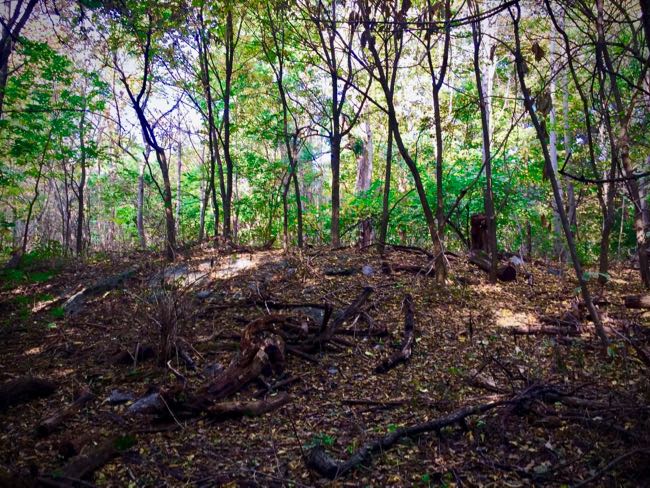
Inwood’s a swath of history. Glacial potholes have been forming there for thousands of years, and you can climb around the caves that were used by Lenape Native American Indians.
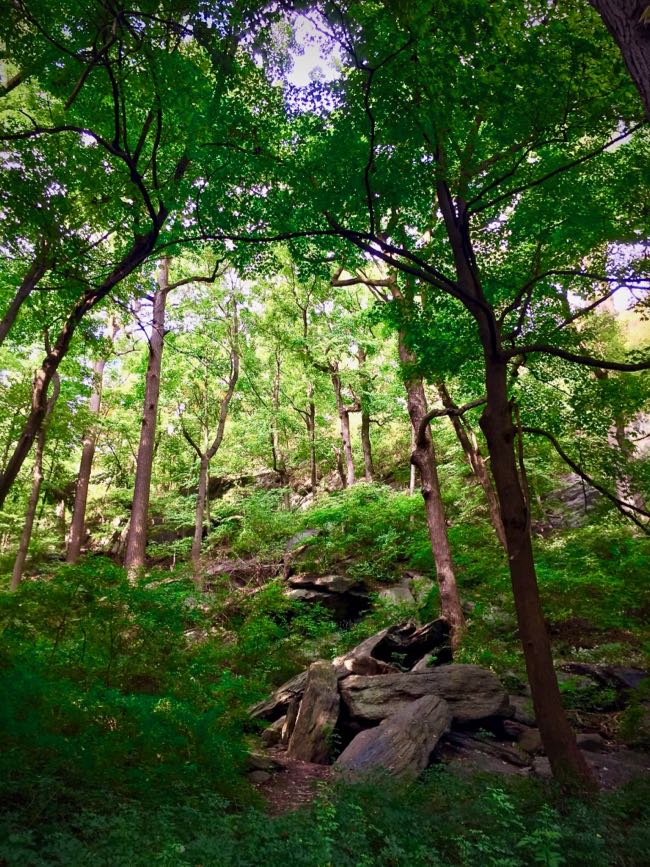
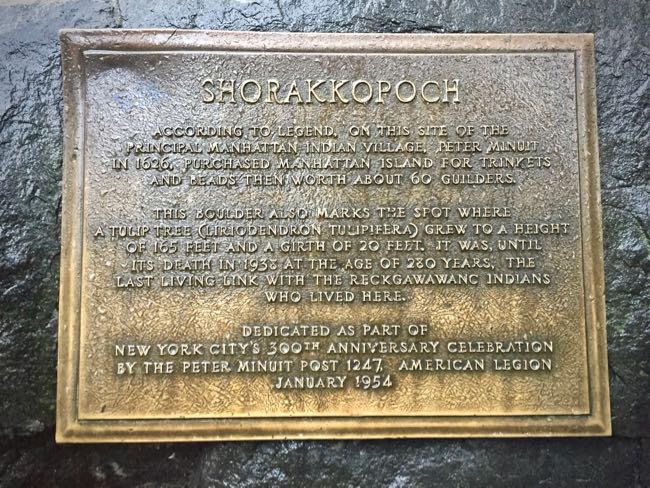
There are also remnants of forts and farms built after the sale of Manhattan Island, which allegedly occurred in the park.
Inwood officially became city parkland in 1916, and it’s hard to imagine it was much more relaxed then than it is now. No road in, no road out, no Met museum, few weekend tourists.
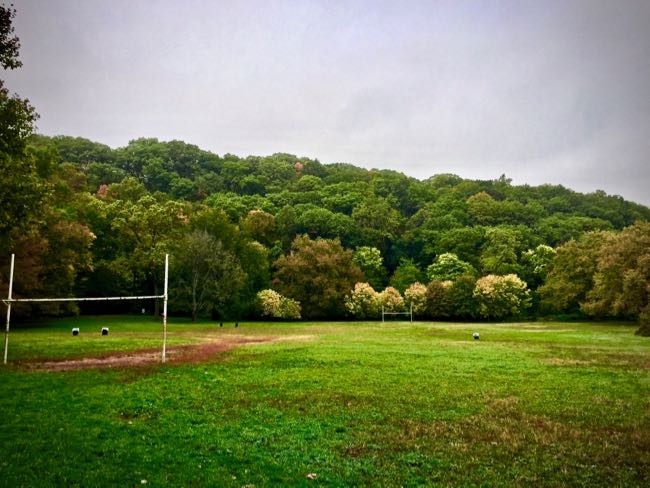
The Parks Department is always driving through, exchange trash bags, sweeping leaves from stone gulleys, planting new trees or dismembering fallen ones. But, to the public, even regular bikes are forbidden, though that doesn’t always stop them—and sometimes rogue mopeds—from zipping around.

I actually like the park least in the summer. Starting around the June solstice, a walk in the woods becomes intolerable for those of us with that mosquito sweet blood. Plus, poison ivy overtakes the trails. But those months always pass, and the weather and the foliage always turn.
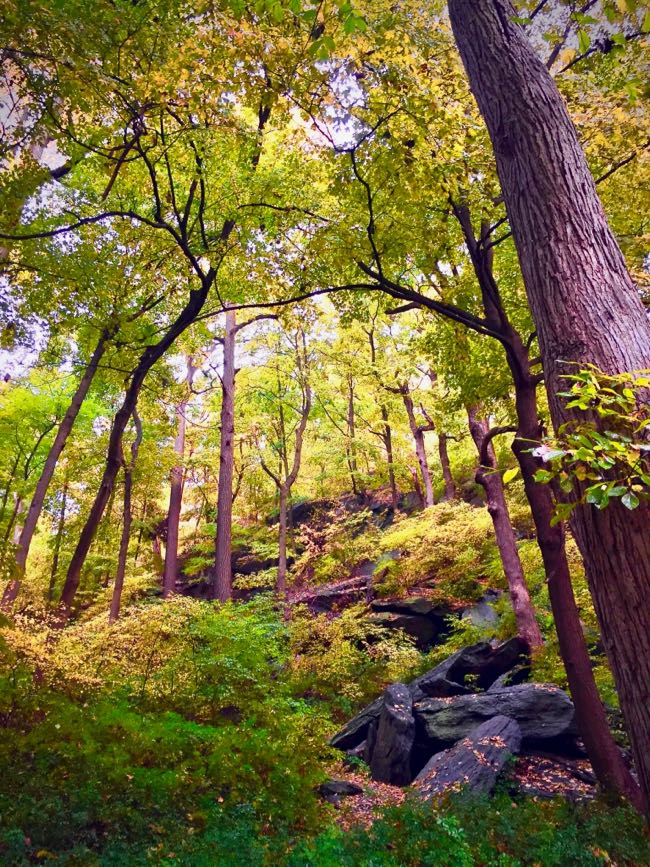
Like Fort Tryon, Inwood is, depending on your expectation, either deceptively large or deceptively small. Twenty minutes to walk its length, twenty to walk its width—nothing, right?
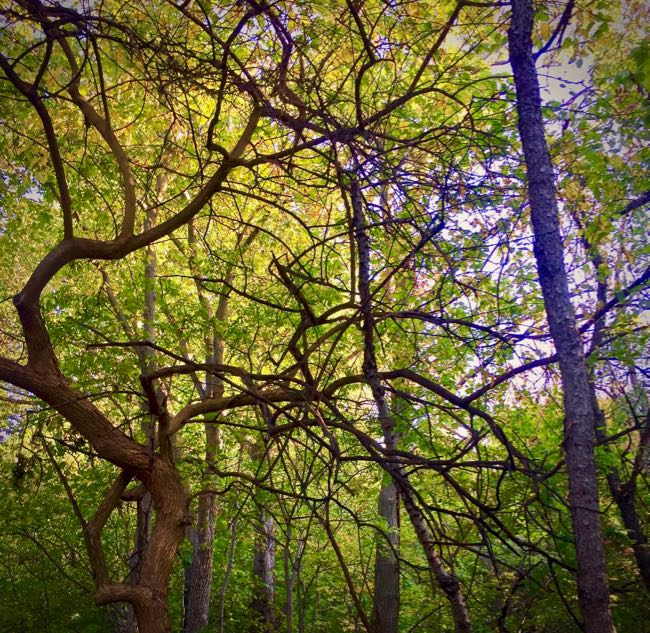
The issue is the hill, an alley of an ascent starting at the park’s southern edge on Dyckman Street and, over a half-mile, rising to 150 feet to the north, never wider than a highway.

Trails cut up and around and along the ridge, some paved and gently sloped, others furtive footpaths with roots and rocks and severely degraded slabs of concrete. There’s one section steep enough you have to hike, even use your hands.
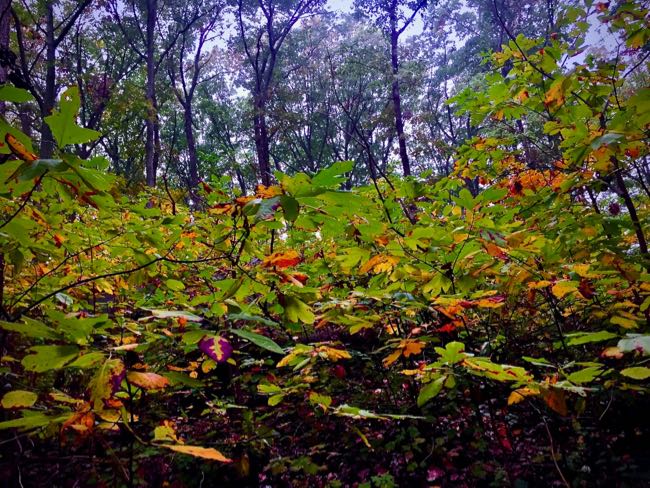
The highest point, I think, is the Straus Mansion Site. But there’s no view there, just rocks and trees and shrubs. The real view is a hundred yards southwest, at Lookout Point.
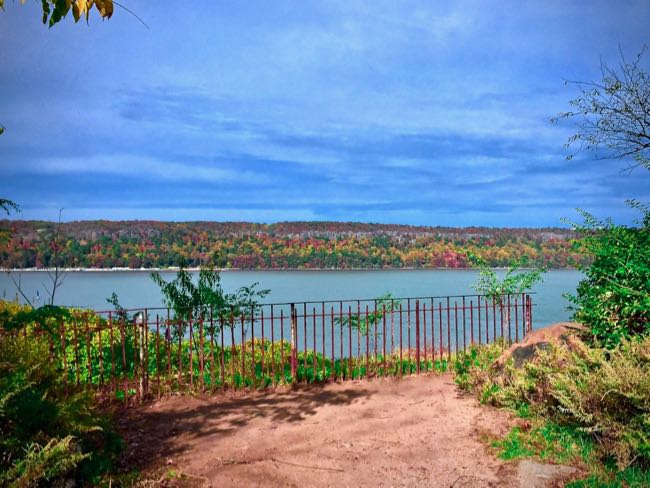
Here people often venture past the fence to feel unencumbered, on the edge. You can hear the cars, but you won’t see any, not even the road, just the Hudson River and the dramatic cliffs of the New Jersey Palisades.
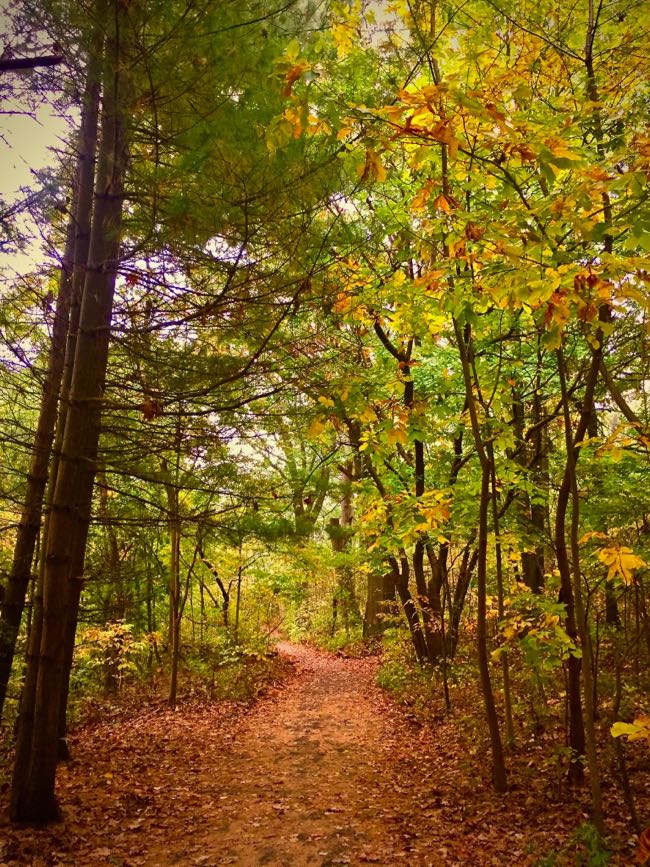
Yet for how magnificent this view is, I’ve never seen more than a handful of people taking it in. That really is the park as a whole. Most days, even weekends, you can wander for minutes without encountering anyone.
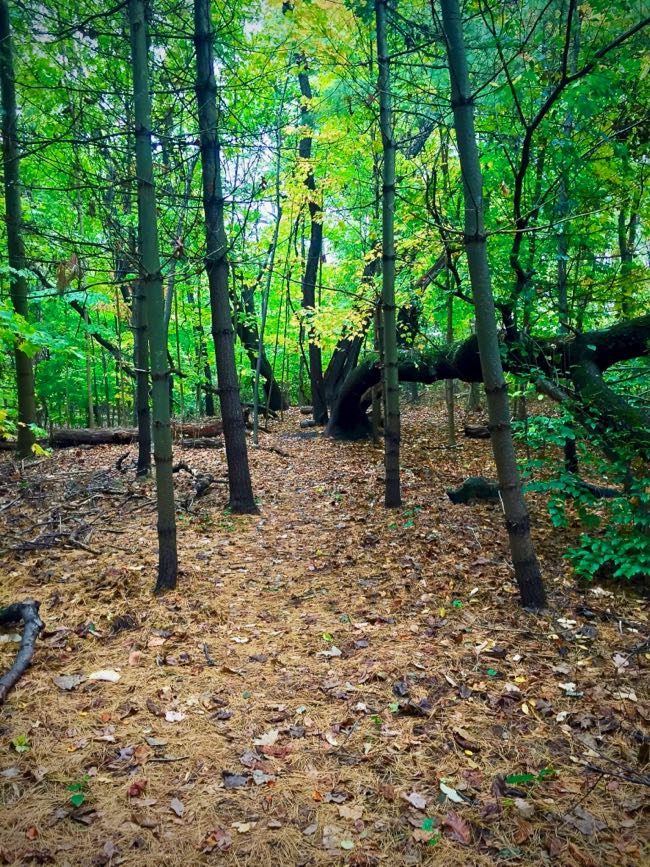
Everyone has their favorite spots; one of mine is a switchback on the red trail. Going down, as soon as you make the hairpin turn, the highway roar instantly subsides; and, if it’s evening, the temperature and light change too, as the crest of the hill eclipses the sun, just as if you were in the mountains.
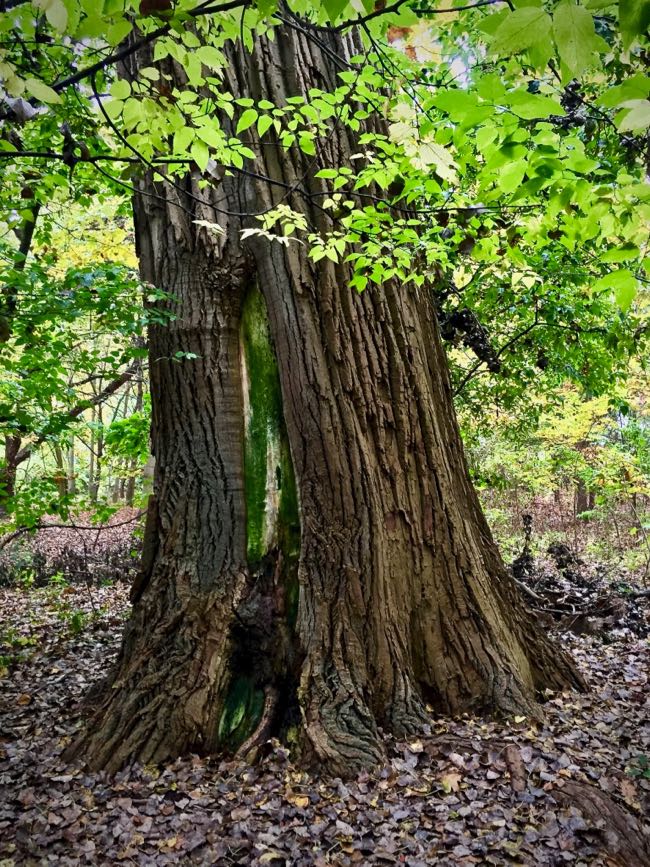
I took these photos over time. That’s the way it is with autumn. The leaves change slowly, in stages, and every day a new hue shows up.

First you see yellow leaves on the ground, then a touch of red in the hillside.
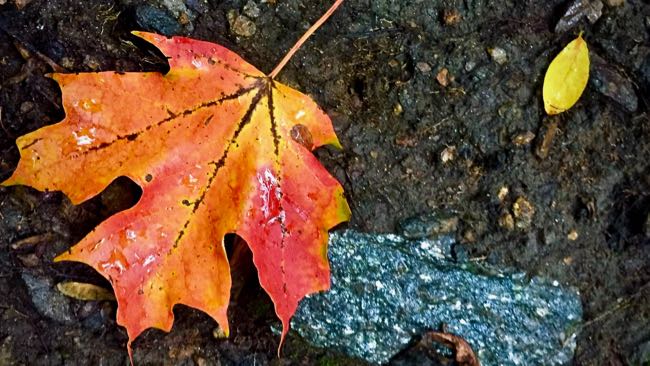
Damp rocks, bright leaves, green osage oranges.

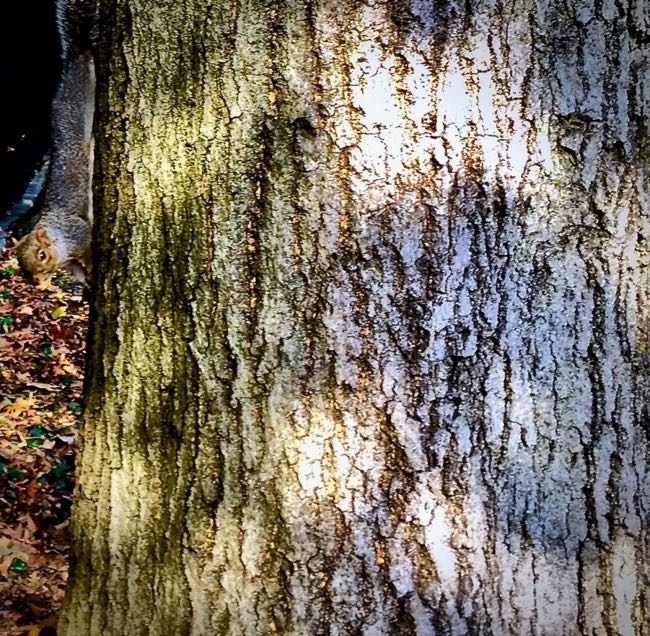
Eventually there’s nothing left but the squirrels.

 Nathan Schiller
Thoughts, ideas, comments?